Operation Blind Horizon — We Weren't There
A scrambled mayday, a crashed Ironclad on Arid Reach, a VIP who couldn't tell rescue from capture, and a Red Team that flew like they'd read our doctrine. A report on an operation we were never at.
Let the record show that Raven Unit took no part in Operation Blind Horizon. The unit's formation is still pending organizational authorization; a squad that does not officially exist cannot officially deploy. The record is accurate. The record is also not the whole story.
Blind Horizon ran last night regardless — a full Believe Nation force-on-force exercise, staged in the kind of contested dark where sensor coverage goes to die and every contact is a guess until it is a problem. And scattered through Red Team's roster, wearing no patch and answering to no Raven callsign, were several operators this command has quietly tagged for recruitment. We won't name them. They know. So do we.
Consider this dispatch a scouting report.
The mayday
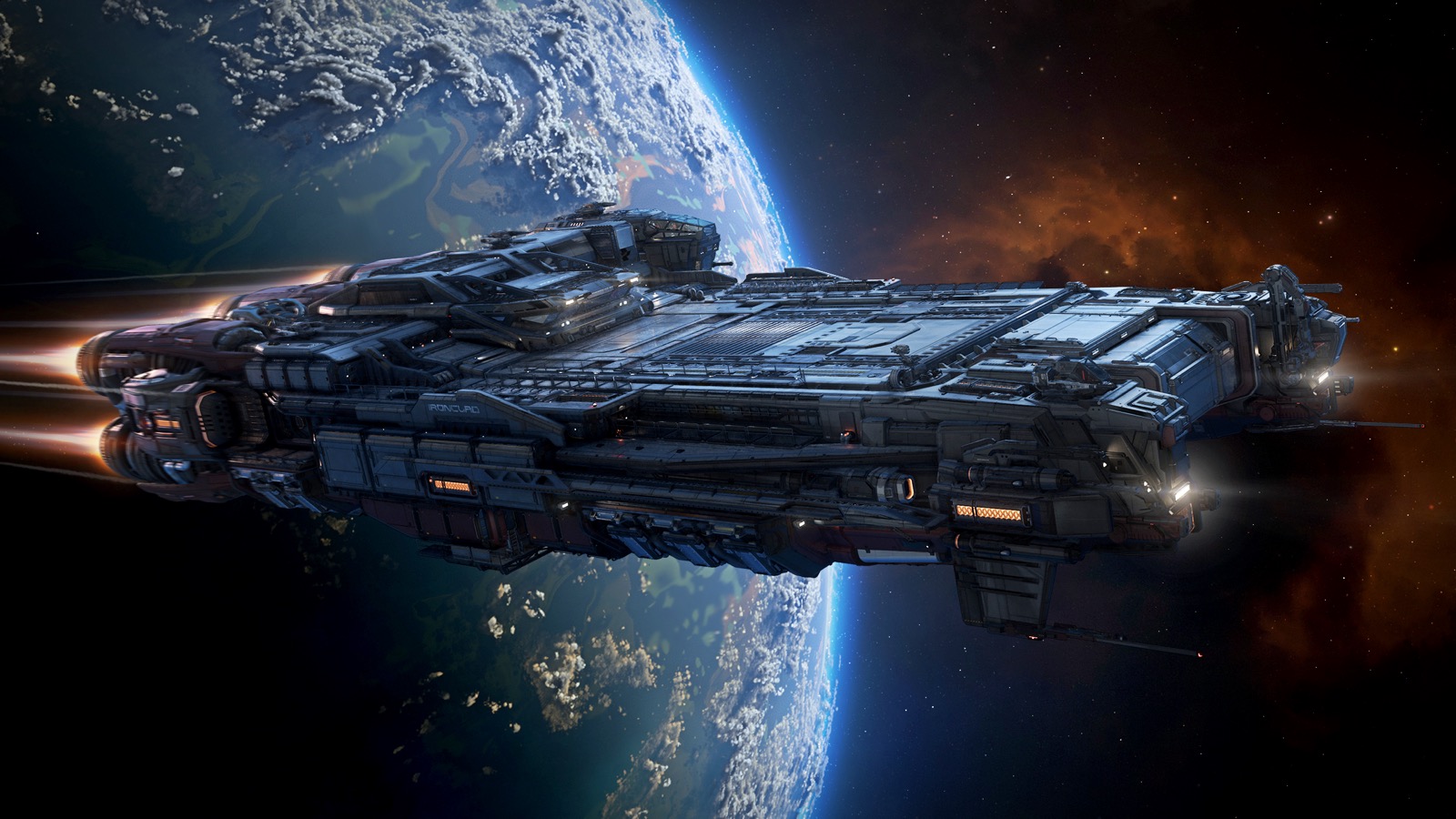
It started, as these things do, with a bad signal. An emergency channel flared to life just long enough to matter: a VIP commander — the Mr. Clark of the manifests, the kind of man whose name shows up in shipping ledgers and boardroom minutes but never in the same sentence — down hard aboard a MISC Ironclad, somewhere hot, short on water and food and possibly bleeding. The intercept was shredded by distance and interference, but the fragments were enough to keep a briefing room quiet:
…it is hot — repeat, hot — [static] — …each… — [static] — need hydration, rations… may need medical. Approach with caution. I cannot confirm who is — [signal lost]
— Emergency-channel intercept, partial decrypt
Hot. And one orphaned syllable the analysts argued two ways: beach, or reach. Comms that scrambled don't give you a grid reference — they give you a puzzle with a countdown attached, because dehydration doesn't wait for a second decrypt pass. The last line was the one worth underlining: a man who could not promise he'd recognize a friendly if one landed on top of him.
The gambit
The signal footprint narrowed the search to two candidate worlds, and a force that splits to cover both secures neither. Red Team's command read hot as arid rather than surf, weighed the syllable, and committed the main force to Arid Reach. Understand what that bet costs if it misses: you have flown your entire operation to an empty desert while a man's water runs out somewhere else. They committed anyway. It was the right call, and the log should say so plainly — the gambit made the operation.
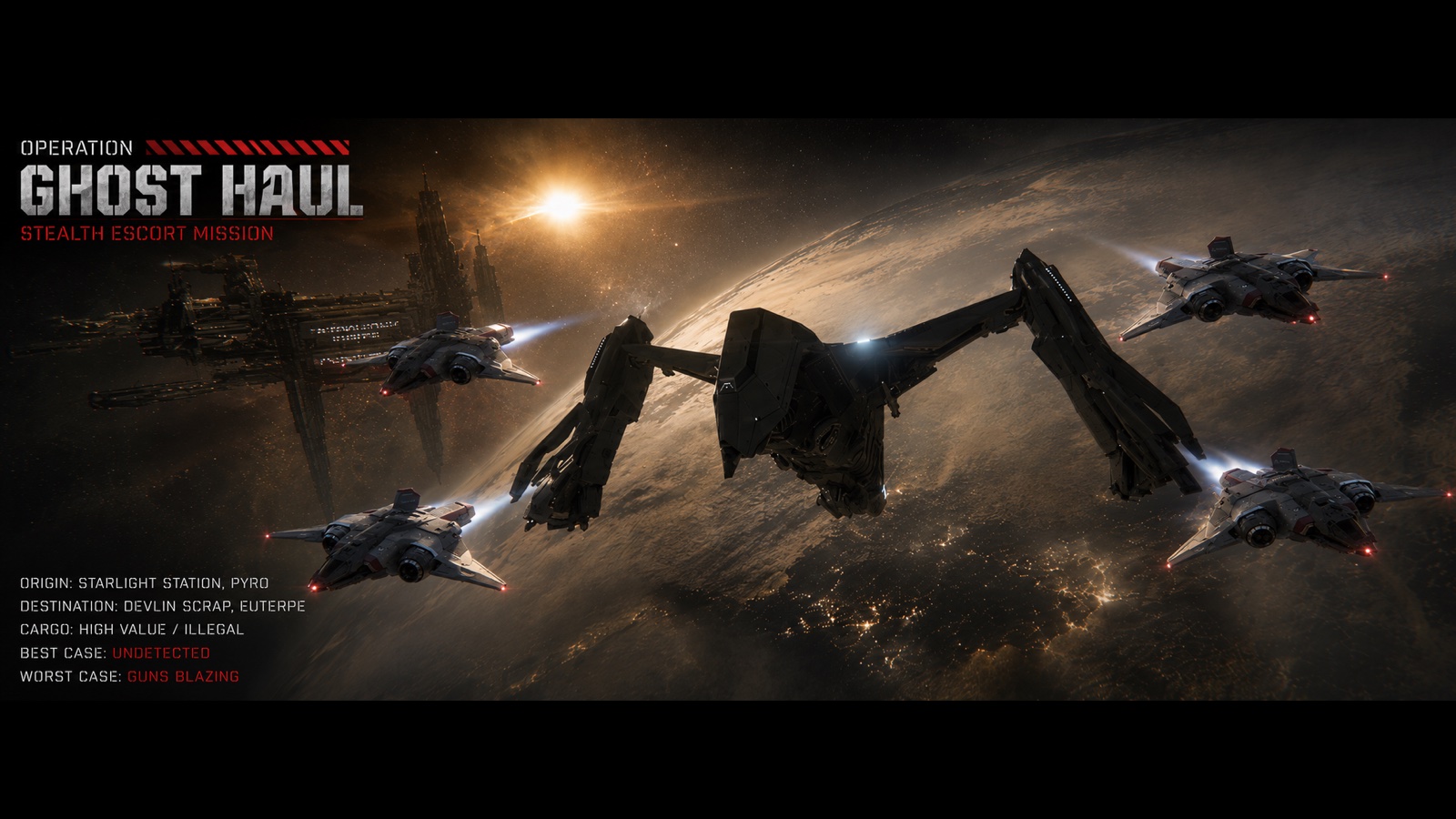
- RSI Polaris — the fist and the flag; the credible threat overhead
- RSI Perseus — anti-capital gunnery, and the closest thing to a sickbay Mr. Clark saw all night
- Fighter screen — several hulls working the seams and holding the sky honest
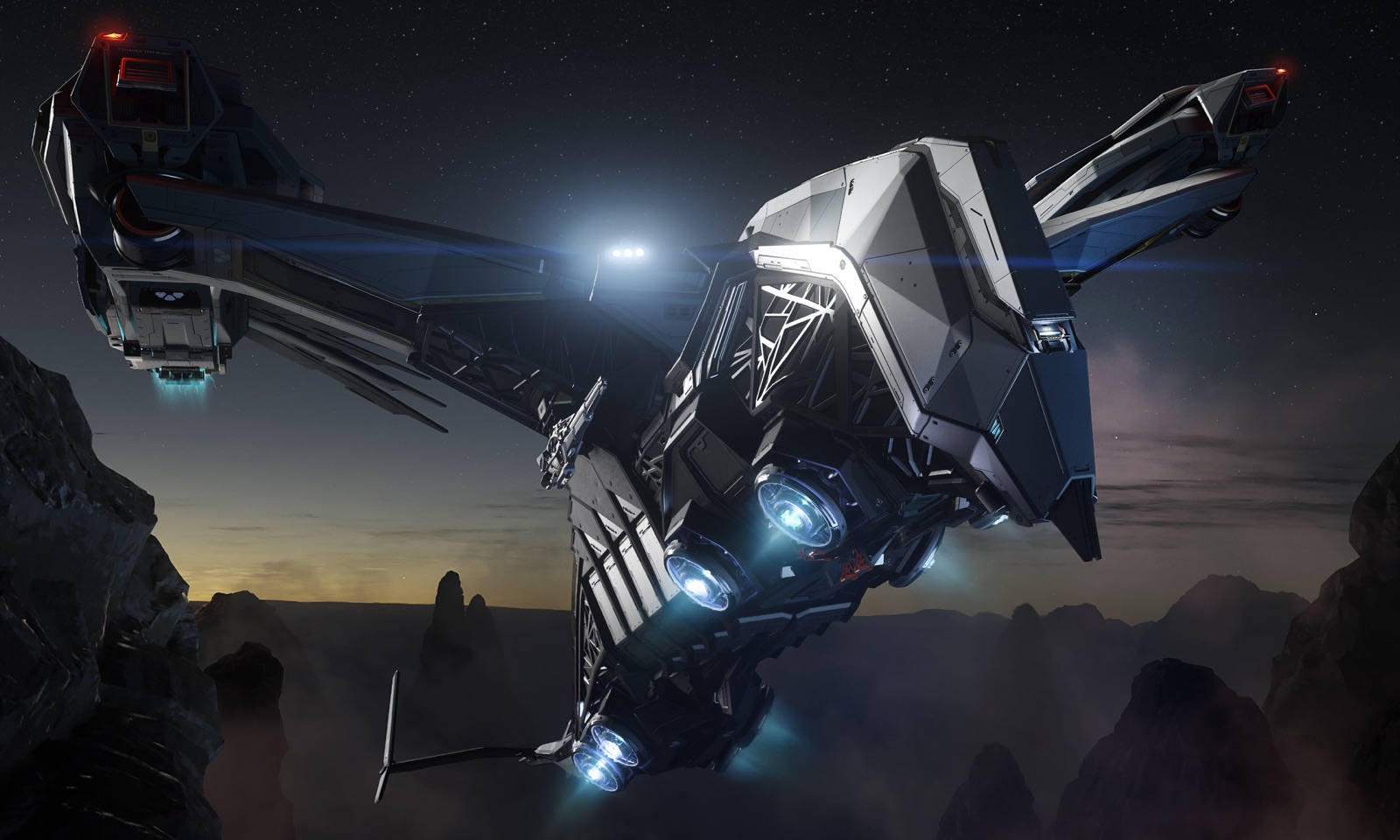
- Argo RAFT — unarmored, unglamorous, the lift bird the whole operation existed to protect
The wreck turned up roughly ten klicks out from the marked point of interest — an Ironclad down in the open, a fortress that flies reduced to a fortress that doesn't. Opposition on site amounted to a single fighter that made one pass, thought better of it against the screen, and bugged out. Nobody chased. The mission was on the ground, not in the sky.
Securing Mr. Clark
The intercept had already written the rules of the approach: he may not be able to identify you. A dehydrated, rattled VIP with something left to protect is a threat assessment, not a handshake. The ground element came in slow — lights up, weapons down — and talked him out rather than dragging him out. There was a long stretch where Clark could not decide whether he was being rescued or collected. Patience won. Little conflict; no shots that needed apologizing for.
Aboard the Perseus he got the unglamorous essentials in the right order: water, food, a MedPen, and time. Then the debrief — gentle, over rations, one friendly voice doing the asking. Command will file it as rapport-building. The log will call it what it was: good cop, and no bad cop needed. Clark gave up the manifest and the location of what mattered in the Ironclad's hold.
The lift, and the bill on the way out
Then came the part of the plan the whole fleet existed for: the RAFT settled into the wreck's shadow and took on Clark's freight while the capitals held overwatch and the screen worked the seams. Strip the callsigns off it and what remains is our creed with different paint — find the man, secure the corridor, extract everything you came for.
The bill came due on egress. Outside Nyx Gateway the opposition finally arrived organized, and the exfil turned into a decent stand-up fight — capital gunnery overhead and the fighter screen earning its fuel. The package came through anyway. Clark and his cargo crossed into safe space intact, and the Ironclad was left where it fell, a fortress with nothing inside it worth defending.
What we'd have done differently
Honesty in the log or nothing: right up until the gate, Blind Horizon ran closer to this unit's doctrine than a war game has any obligation to — a quiet find, a careful approach, a secure that never went loud. The egress is where we'd sharpen it. A fight waiting at the gateway means the exfil corridor was predictable, and doctrine says you plan the egress before the insertion precisely so that nobody is standing at the exit.
But doctrine is cheap until you watch people execute under pressure, and what we watched was worth the entry: an analysis cell that turned one scrambled syllable into the right planet, a ground element with the discipline not to spook a frightened man, a lift crew that flew an unarmed hauler into a wreck’s shadow on schedule, and a handful of unpatched operators who moved like the plan was already written on the inside of their helmets.
The operations worth running are the ones the enemy never realizes took place. The ones worth watching are sometimes the other kind.
— Raven Actual